

Apr
Table of Contents
The Best Time for Trekking in Chiang Mai
Choosing the best time for trekking in Chiang Mai isn’t straightforward: weather, trail conditions, crowds, and your expectations from your Chiang Mai trekking adventure all matter. In this guide, we break down Northern Thailand’s trekking seasons, their pros and cons, and how they impact hiking experiences.
We offer everything from easy day hikes to immersive multi-day Chiang Mai trekking adventures, including overnights in mountain villages, visiting powerful waterfalls and dramatic mountain scenery. Weather plays a major role in trail safety, visibility, comfort, and enjoyment. The patterns described here apply across Northern Thailand.

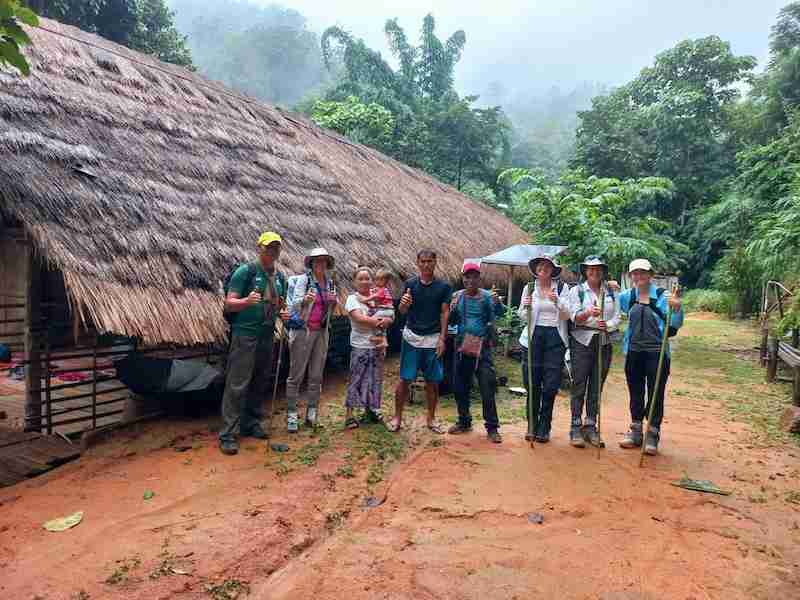
Chiang Mai’s Seasons
Northern Thailand features a tropical savanna climate with three main seasons ideal for planning your Chiang Mai trekking season:
* Cool & dry season (November–February)
* Hot & dry season (March–May)
* Rainy (green) season (June–October)
Daytime temperatures usually range from 26–35°C (79–95°F) year-round, though mountain nights can get significantly cooler from December to early March. Rainfall stays minimal from November to April, with August and September as the wettest months.
Please note that conditions in Northern Thailand can be unpredictable. Sudden rainstorms can occur even in December, January, or March. In the rainy season, rain often falls in the afternoon or evening rather than all day, though occasional downpours happen. Some years bring long dry spells even in July or August.


Trail Closures for Chiang Mai Hiking
Most trails for Chiang Mai hiking and trekking remain open year-round, with these exceptions:
* The Kew Mae Pan Nature Trail in Doi Inthanon National Park closes from June 1 to October 31 for ecological recovery.
* Most trails in Doi Suthep-Pui National Park close from mid-February to May 31 due to forest fire risk (exceptions are the famous Monk’s Trail and the path to Doi Pui summit).


Pros and Cons of the Cool & Dry Season (December–February) for Chiang Mai Trekking
This period is widely considered the best time for trekking in Chiang Mai by many visitors due to reliable and predictable conditions.
Advantages:
* Very low chance of rain (though rare unseasonal downpours can occur).
* Firm and easy trails, though downhill sections can be slippery from dry leaves. Strong-grip hiking shoes are essential for jungle trekking in Chiang Mai.
* Pleasant daytime temperatures (around 25–30°C / 77–86°F).
* Chilly nights at higher elevations (down to 10–15°C / 50–59°F) We recommend to bring warm a warm shirt (please note that we provide good sleeping bags).
* Clear skies and excellent visibility early in the season.
* Ideal for photography during Chiang Mai trekking.
Disadvantages:
* The forest is less lush and green compared to the rainy season.
* There are fewer wildflowers in the forest.
* Rice fields look yellow or dry after harvest (November is harvest time).
* Waterfalls are less impressive and rivers are calmer.
* This is the busiest time of the year, especially around Christmas and New Year in Doi Inthanon.
* Haze and dust can increase later if no rain falls.


Pros and Cons of the Rainy/Green Season (June–October) for Chiang Mai Trekking
Known as the “green season,” this has become popular for Chiang Mai trekking, especially with families during European school holidays. We’ve run family group treks like our 2-day/1-night Huay Nam Dang trek with very few changes.
Advantages:
* Nature at its lushest with vibrant foliage and fresh air after rains.
* Dramatic skies perfect for photography in Chiang Mai hiking.
* Abundant flowers in the forest.
* Stunning green rice fields.
* Thundering waterfalls and exciting rivers.
* Often feels refreshing after afternoon showers.
Disadvantages:
* Possible rain during your trek. It usually rains in the late afternoon or night. Don’t forget to bring a raincoat!
* Slippery and muddy trails. Strong-grip hiking shoes are essential for safe jungle trekking.
* Higher humidity and warmer days (around 30–35°C / 86–95°F).
* Warm, humid nights (down to 15–20°C / 59–68°F).
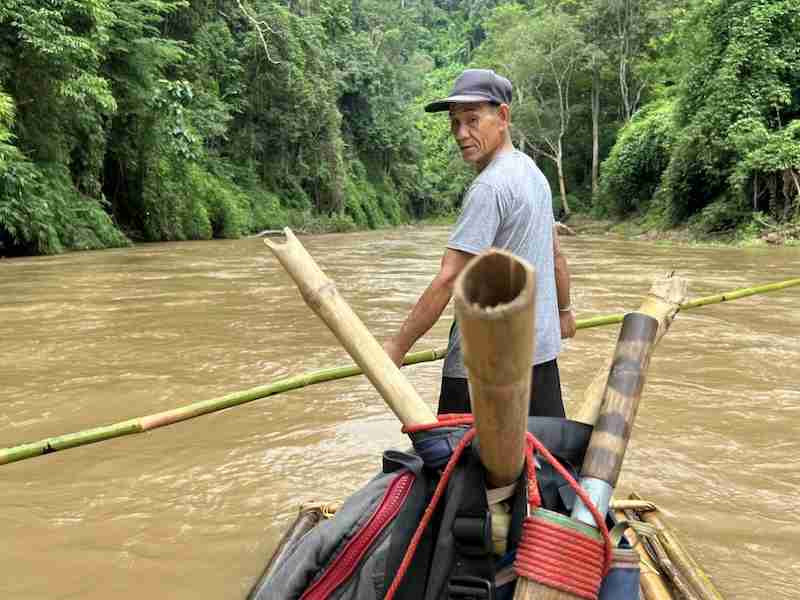
* Bamboo rafting may need adjustments after heavy rain in August/September.

The Burning Season (Late February–Mid-April)
Agricultural burning causes haze and reduced air quality, peaking mid-March to mid-April (varying yearly). Smoke can drift from Laos and Myanmar. Air quality usually improves after Songkran (April 13–15).
If you go trekking in this period we recommend to visit densely forested national parks like Doi Inthanon or Huay Nam Dang, where air is noticeably cleaner due to less agriculture.


May–June: An Underrated period for Chiang Mai Trekking
These early wet-season months are often overlooked but excellent for trekking in Chiang Mai. Rainfall is usually occasional, trails remain relatively firm, skies are clearer than late dry season, and nature revives with fresh greenery. Tourism is quiet for a peaceful experience. In June, you can often watch rice planting.
If you have questions about current weather or trail conditions for your Chiang Mai trekking trip, email us at info@green-trails.com.


Wrapping Up: The Best Time for Trekking in Chiang Mai
Here’s a quick summary to help you decide:
December – February
- Generally considered the best time overall
- Great hiking weather with pleasant days
- Chilly nights (bring warm clothes and we provide sleeping bags)
- Rice fields are less attractive (November is harvest time)
- Trails firm but can be slippery with dry leaves
- Busiest period, especially late December–early January
March – April
- Generally the most challenging due to agricultural burning and haze (though not always as bad as reported)
- Varies significantly year to year
- Fewer tourists—enjoy the quiet
- Great time to join Songkran festivities at rivers and waterfalls
- Best to trek in higher, forested national parks
May – June
- Excellent and underrated period
- Nature reviving after the dry months
- Moderate rainfall
- Very few tourists
- Often possible to see rice planting in June

July – August
- The most exciting months for nature lovers
- Superb air quality and dramatic landscapes
- Nature at its best
- Fantastic waterfalls and wild rivers
- Clearest views—ideal for photography
- Rice fields are a major attraction
September
- September is typically the wettest month so take your raincoat
- Conditions similar to July–August but traditionally more quiet
October – November
- The best months for trekking in Chiang Mai and Northern Thailand
- Usually less rainfall than in the rainy season months
- Nature is still lush and green
- Great months for observing flowers
- Clear skies


Quick Summary: Best Time for Trekking in Chiang Mai
- December–February: Most popular best time for trekking in Chiang Mai — pleasant days, clear views, chilly nights. Busiest period; rice fields less scenic.
- March–April: Challenging due to potential haze and heat. Fewer crowds; ideal for Songkran if air allows. Best in higher forested parks like Doi Inthanon.
- May–June: Excellent underrated period — reviving nature, moderate rain, very few tourists. Great rice planting views in June.
- July–August: Lush landscapes, dramatic skies, powerful waterfalls — superb for nature lovers and Chiang Mai trekking photography. Vibrant rice fields.
- September: Wettest month — essential raincoat. Similar to July–August but quieter.
- October–November: Often the sweet spot for Chiang Mai trekking season — lingering lush greenery, blooming flowers, clearer skies, and lighter rain.


Final Thoughts on the Best Time for Trekking in Chiang Mai
The best time for trekking in Chiang Mai and Northern Thailand is in October and November. Nature stays beautifully lush, views are very clear, and crowds are lighter than in the peak dry season.
The “green season” (May–October) requires some weather flexibility but delivers the most rewarding Chiang Mai trekking experiences if you love vibrant jungle scenery, beautiful rice fields, dramatic skies, and mighty waterfalls. Post-rain clearing skies can be breathtaking. It is the best time for bamboo rafting as well.
The cool dry season (December-February) offers more certainty of dry trails, milder daytime temperatures, and crisp nights. This is perfect if you prefer reliable weather though the forest feels less vibrant.
No matter which Chiang Mai trekking season you choose, we’ll help select the right trek and adapt to conditions for the safest, most enjoyable adventure. Feel free to contact us with any questions!


Share this:
