Table of Contents

What is the best time to visit North Thailand?
We often get asked: What is the best time to visit North Thailand? The answer isn’t simple, as the weather varies yearly, and climate patterns like El Niño and La Niña make predictions challenging. While climate change may play a role, the region’s weather has always been dynamic. To plan your trip, you can rely on historical weather patterns and online statistics for a general idea of what to expect. In this article, we share our experiences with Northern Thailand’s weather and its impact on travel.
November to February: the Cool or Dry Season
The cool and dry season, from November to February, is the most popular time to visit North Thailand. With pleasant weather ideal for sightseeing and trekking, this period attracts many travelers. However, nights in the mountains can be cool or even cold. The peak period, roughly from December 15 to January 15, sees high demand for hotels and guides, so book at least three months in advance. Prices during this time are also higher due to the influx of visitors.
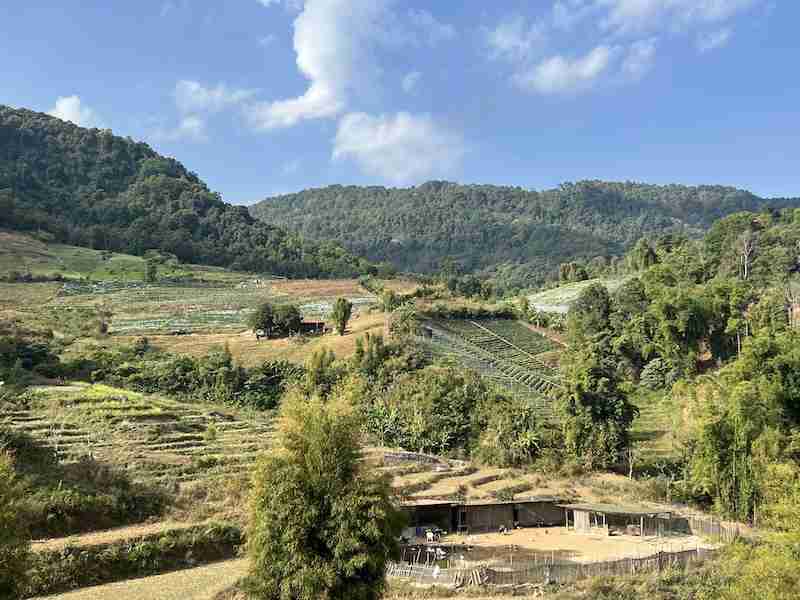
In the early weeks of this season, the landscape remains lush from the recent rainy season, with rice fields transitioning from green to golden yellow. November, in particular, is the rice harvest month, offering stunning photo opportunities. After the harvest, the fields lose some of their charm until farmers begin burning them. For this reason, we recommend visiting between October 15 and December 15 for the best dry-season experience.
Be prepared for occasional un-seasonal rain showers during this period, though they are typically brief.

June to October: the Rainy or Monsoon Season
The rainy or monsoon season, from June to October, brings lush, green landscapes and fewer crowds than the dry season. While daily showers are common, there are often dry spells lasting several days. Rain typically falls in the evenings or at night, with consecutive days of heavy rainfall being rare. April and May may also see occasional showers as the season approaches.
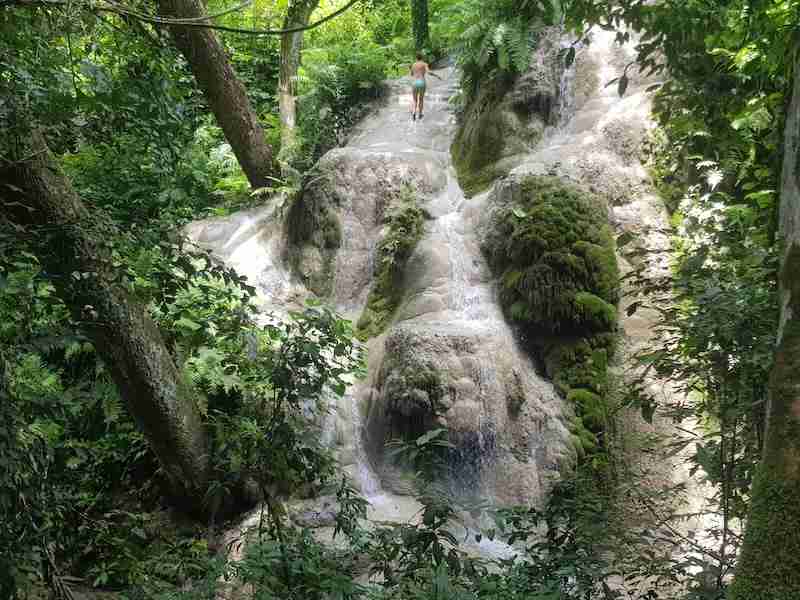
During the rainy season, air quality is excellent, and clear skies (when not overcast) are more vibrant than at any other time of year. Rainfall cleans the air, making it ideal for enjoying the outdoors. Waterfalls, such as those on Doi Inthanon, are at their most spectacular, though visibility near the summit may be limited.
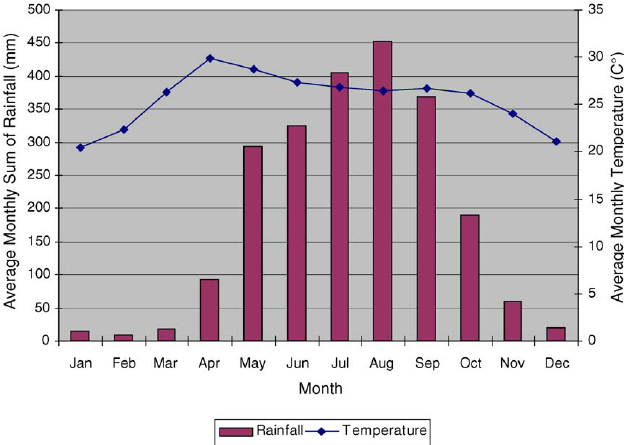
Below is a diagram that shows temperatures and rainfall year round:




Rice Fields and Stunning Skies in the Green Season
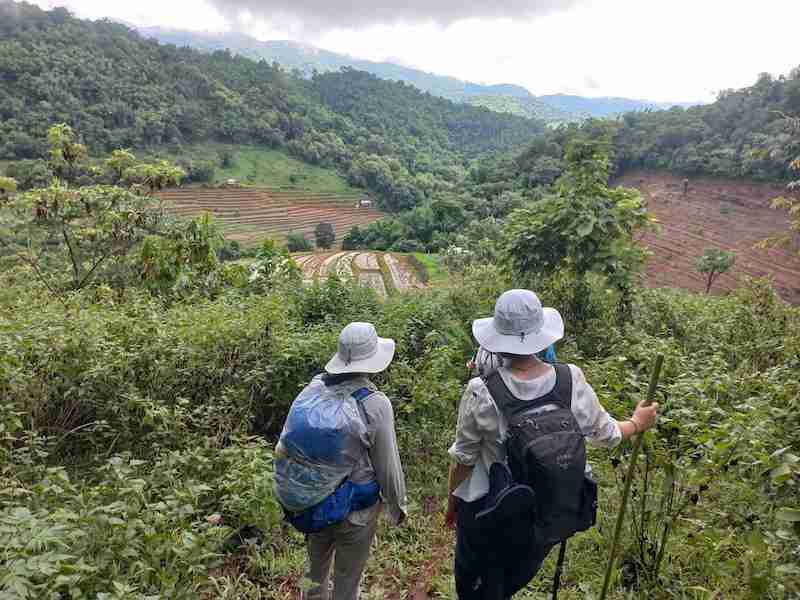
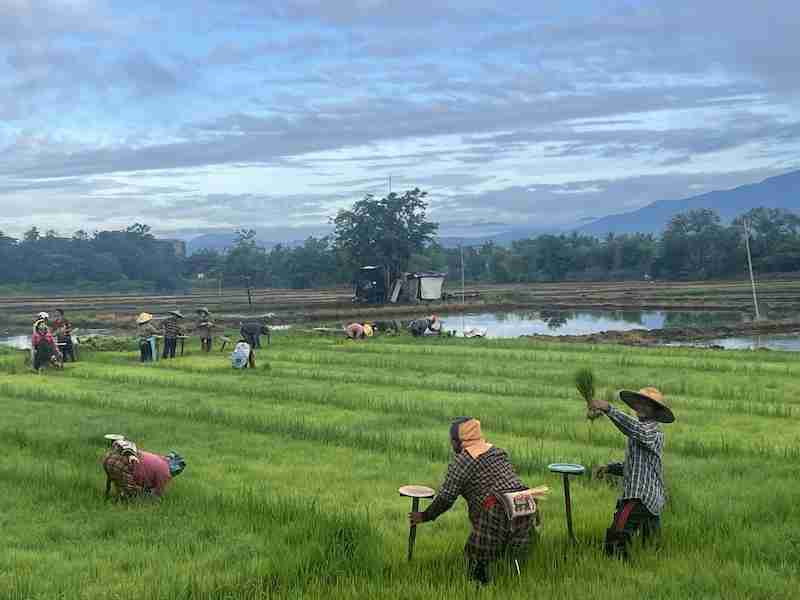
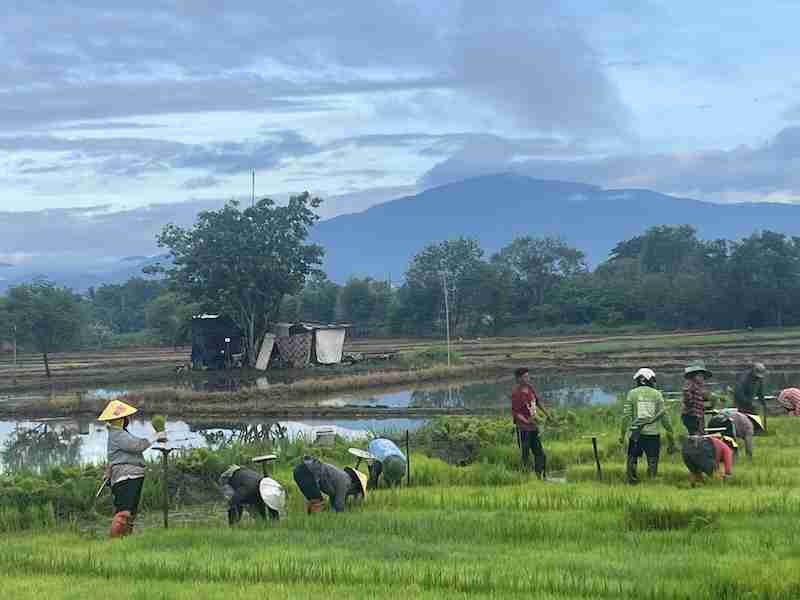
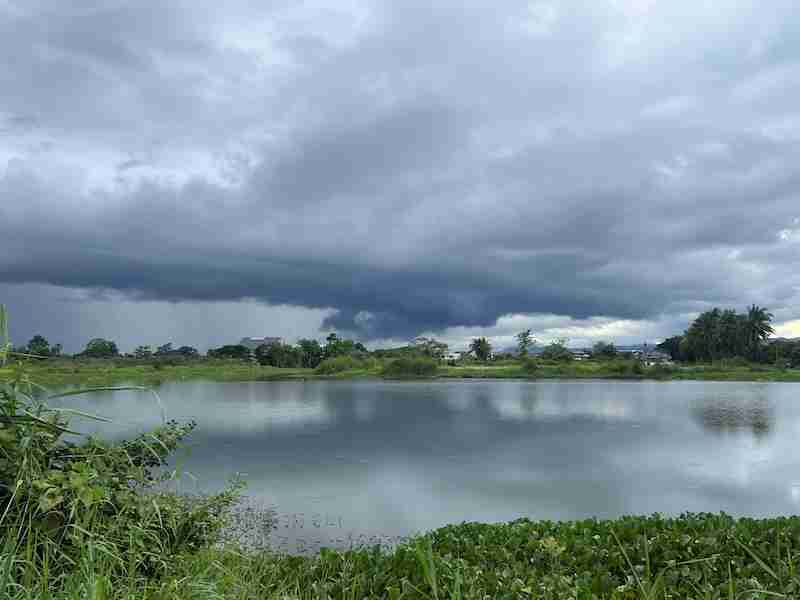
Many Chiang Mai residents prefer the rainy season, often called the “green season”, for its stunning rain clouds, vibrant rice fields, and pleasant temperatures, especially after showers. The air quality during this period is significantly better than in the dry or hot seasons. In June, you can witness rice planting, followed by the fields’ changing colors until the harvest. The green season is the best time to experience the beauty of rice fields, and we have operated trekking trips during this period for decades without issues.
Flooding in North Thailand
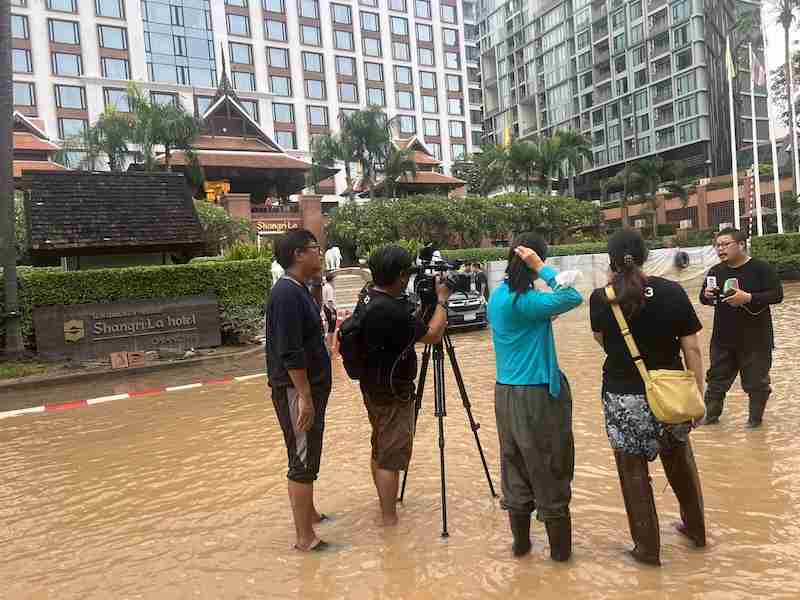
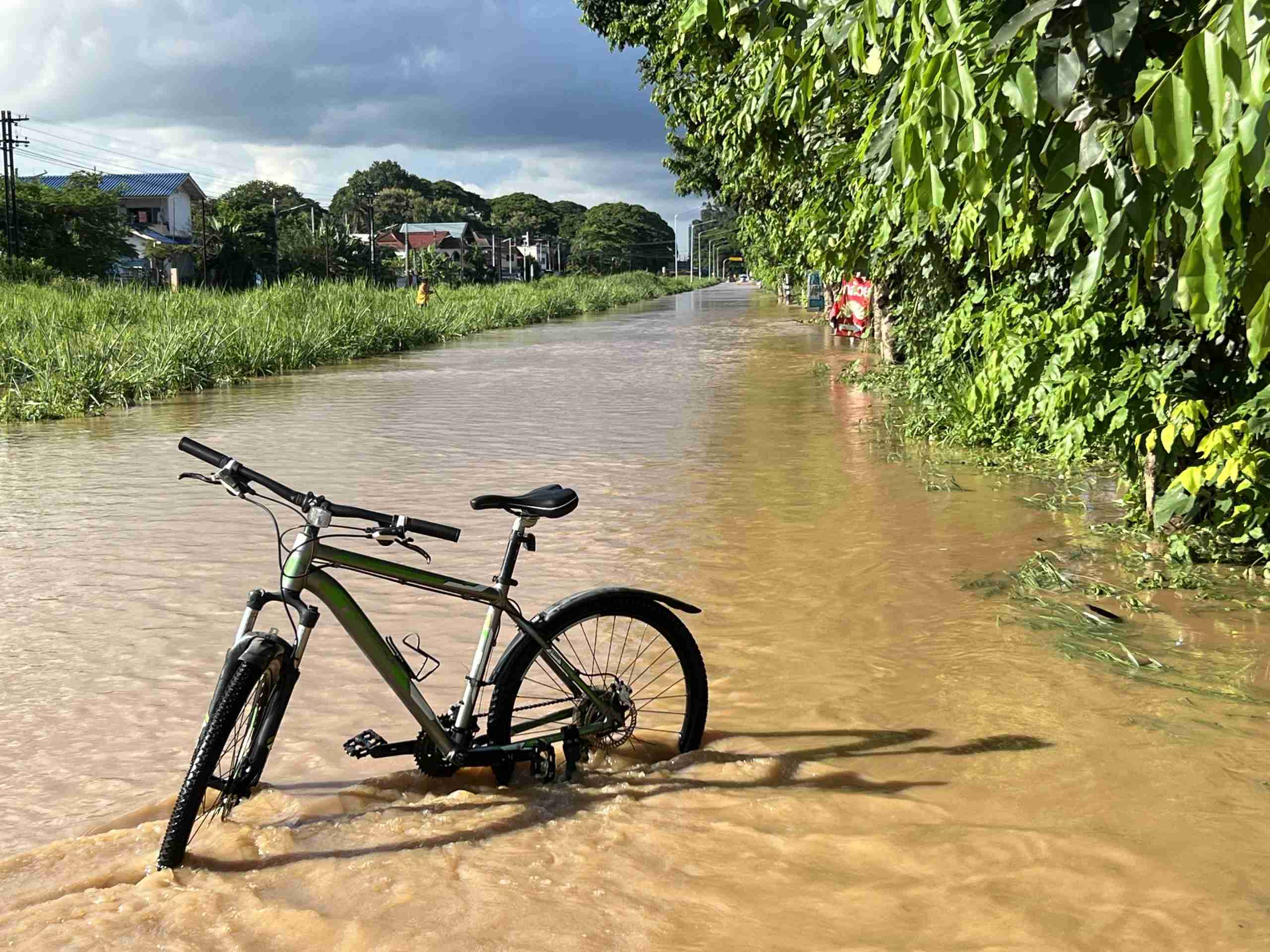
Heavy rain in Northern Thailand can occasionally cause landslides and flooding, particularly in low-lying urban areas. While flooding was more common before the construction of dams and weirs, extreme weather events, like the severe flooding in 2024, can still occur. Despite the impact on many residents, visitors were minimally affected.
For example, Chiang Mai’s old city remained untouched, and we didn’t need to cancel any trips due to flooding. We operate many trips in mountainous areas that don’t flood. For the best updates on the flood situation in North Thailand the Facebook page Chiang Mai News in English is the best source.

March to May: the Hot Season
The hot season, from March to May, is generally the least recommended time to visit due to intense heat and poor air quality during the “burning season,” when farmers burn fields. Air quality is typically manageable until around March 15, but conditions worsen afterward. For updates on Chiang Mai airquality please take a look at this website.
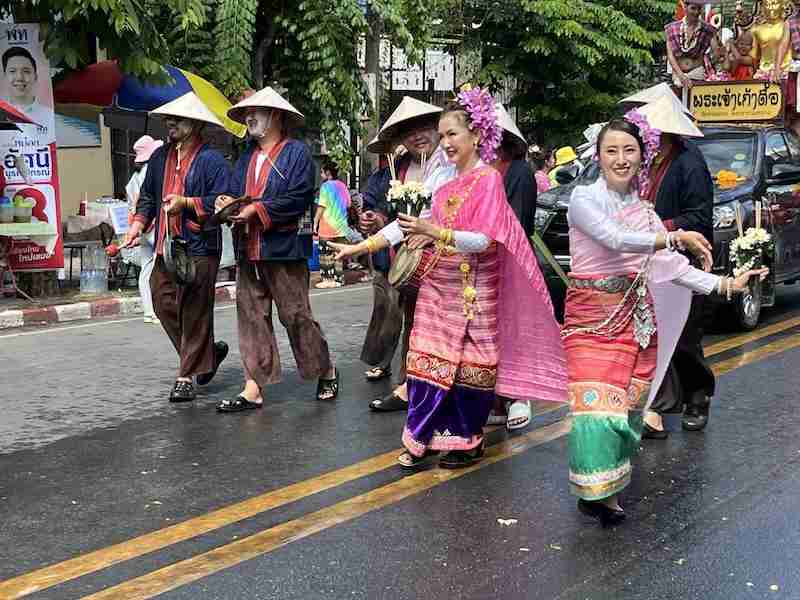
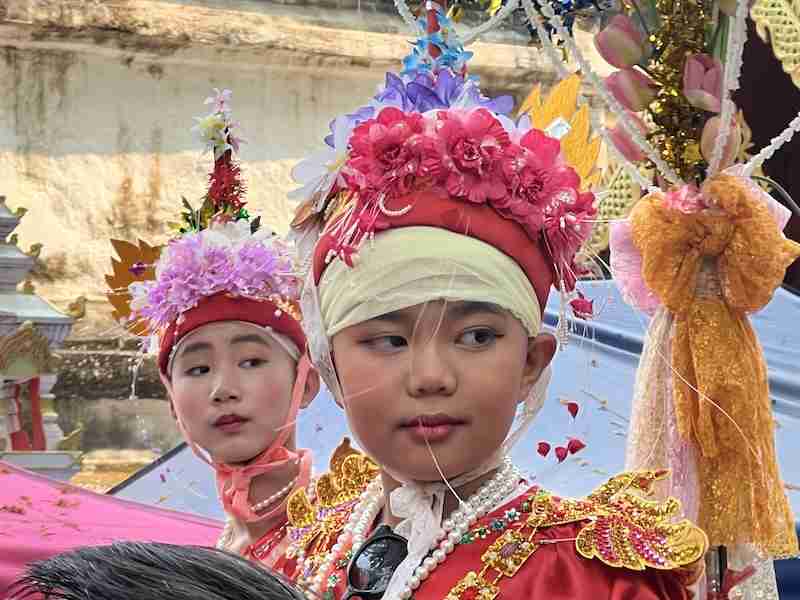
The first rains often arrive during or after the Songkran holiday in April, offering relief after months of drought. The unique Songkran Festival is in itself a reason to visit Chiang Mai and Northern Thailand. It is the best water party in the world and at the same time a deeply traditional festival and a very special time for Thai people. Around the end of March the fantastic Shan/Tai Yai temple ceremony of Poy Sang Long takes place, which is another reason to visit Chiang Mai in this period.
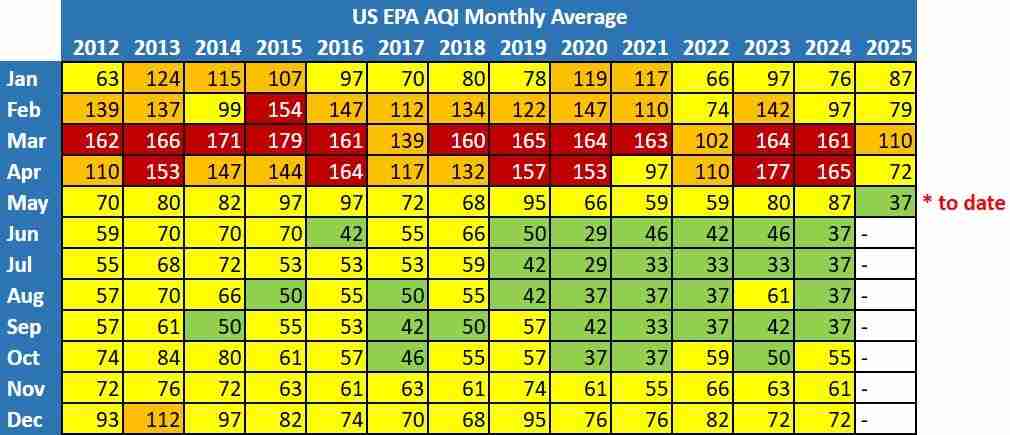
Below is a chart that shows the monthly average concentration of PM 2,5 particles in the air. PM2.5 refers to fine particulate matter in the air with a diameter of 2.5 micrometers or less. Below the chart is a document that explains the health effects from the different levels of PM 2,5 concentration.

What is the best time to visit North Thailand?
Choosing the best time to visit North Thailand depends on several factors:
* Luck with the weather: Weather can be unpredictable, so a bit of luck is always helpful.
* Your itinerary: Trekking or traveling through remote areas may be affected by bad weather, while urban sightseeing is less impacted.
* Personal preferences: The green season is ideal for photographers, offering dramatic skies, vibrant rice fields, and thundering waterfalls. It’s perfect for capturing beautiful sunrises, sunsets, and lush landscapes.
In summary, Northern Thailand offers unique experiences year-round. The cool season (November to February) is best for pleasant weather, the green season (June to October) for lush scenery and fewer crowds, and the hot season (March to May) for those who can tolerate heat, are less concerned about air quality, enjoy the lack of crowds and experience two of the best events of the year: the Songkran Festival and the Shan (Tai Yai) ceremony of Poy Sang Long.