Learning about Hmong Textiles and Life
| Price per person in THB | ||||||
|---|---|---|---|---|---|---|
| 2 pax | 3 pax | 4 pax | 5 pax | 6 pax | 7 pax | 8 pax |
| 5,000 | 3,900 | 3,300 | 3,000 | 2,800 | 2,700 | 2,600 |
Learn about the daily life, textiles and culture of the Hmong people – Private Tour
Our tour “Learning about Hmong Texiles and Life” is for people who are interested in the culture, daily life and textiles of the Hmong people. You will visit the Hmong village of Ban Mae Sa Noi on the slopes of Doi Suthep, learn about their daily life, visit their agricultural fields, learn the ancient art of Hmong batik and admire their stunning traditional dress.
From: 5,000.00 ฿
Learning about Hmong Textiles and Life
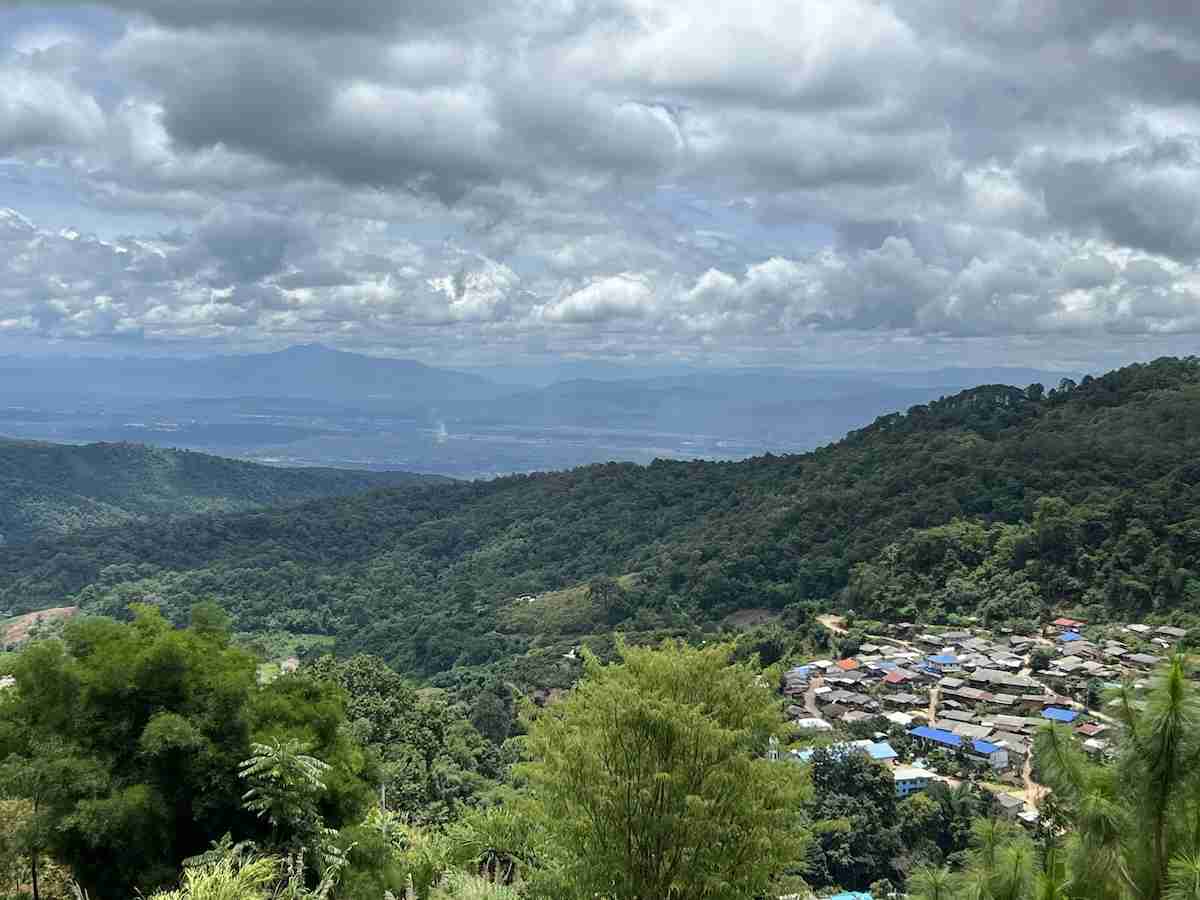
The lovely village of Ban Mae Sa Noi in the Mae Sa Valley
This is a private trip. No one else will join you. For the best time to go trekking in Chiang Mai, check out this page.
Our guide and driver will meet you at your hotel at 0800 for your trip “Learning about Hmong textiles and Life” to the Hmong community of Ban Mae Sa Noi in the Mae Sa Valley. t will take us about one hour to reach the village, depending on the traffic. The Hmong people originate from China and probably settled at this location in the 1960s. The village is at an elevation of more than 1000 meters above sea level and offers fantastic views of the mountains and lowlands. You have a good view of the agricultural fields of the Hmong people, who benefited from the Royal Project, initiated in the 1960s by the late King Bhumibol. We start our visit of the village at the textile center of Ban Mae Sa Noi, where you will meet your local Hmong guide.
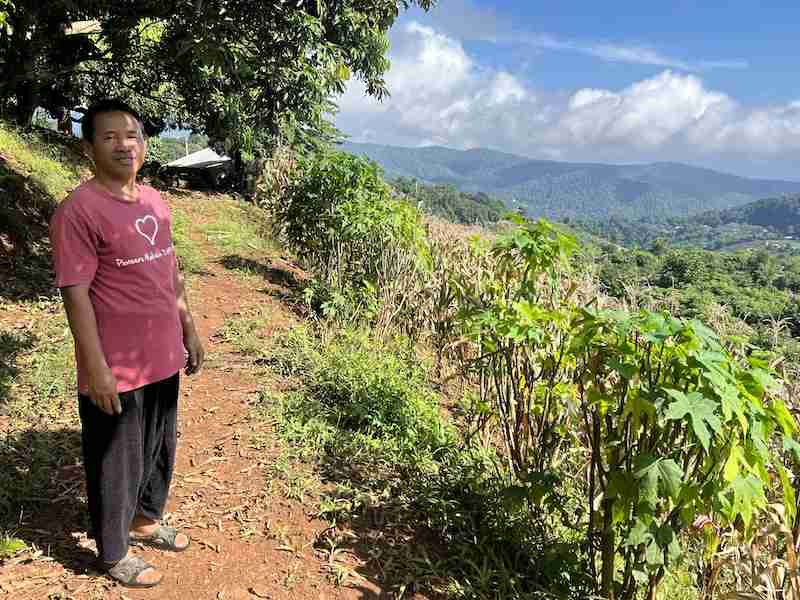
A great village and agricultural walk
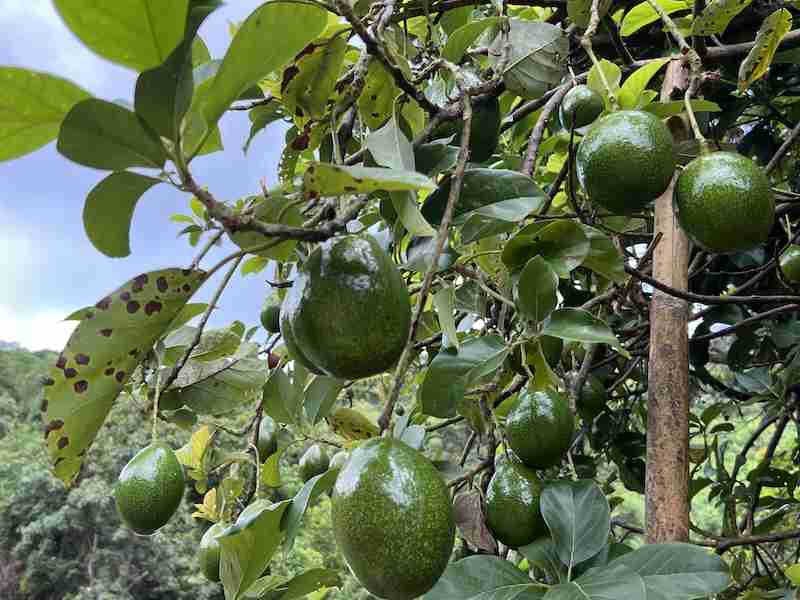
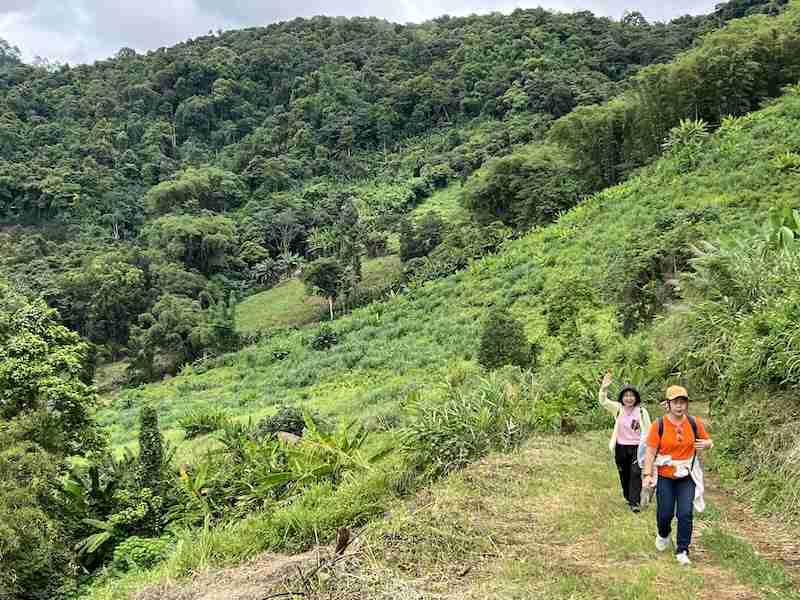
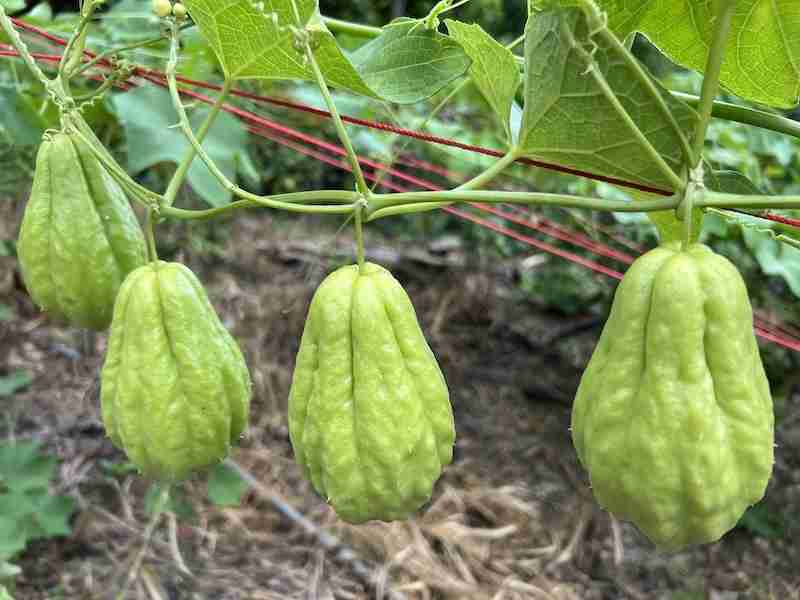
We start with a short walk through this community that was established at this location 60 years ago. We will walk to a viewpoint and onward through the village and stop at several houses to chat with the local people. After a short while we will leave the village behind and embark on an easy, circular walk through the forest and past the, sometimes terraced, fields of the village. Depending on the season you might see avocado, persimmon, lychee and other fruit trees. The Hmong people grow cabbage, pepper and other vegetables on terraced fields on the slopes of the mountain. Your local guide will give information on Hmong traditional life and medicine and will answer all the questions you might have. It is a very interesting walk for which we take our time.
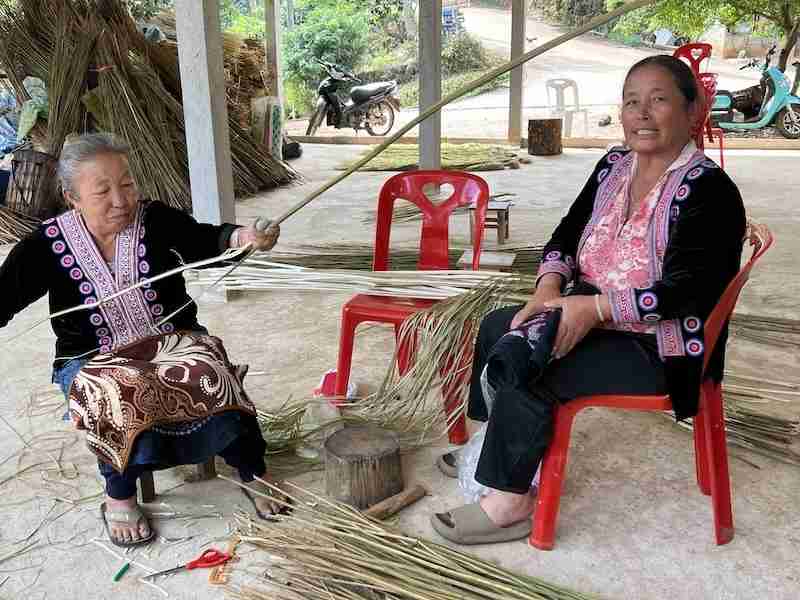
A Hmong textile workshop
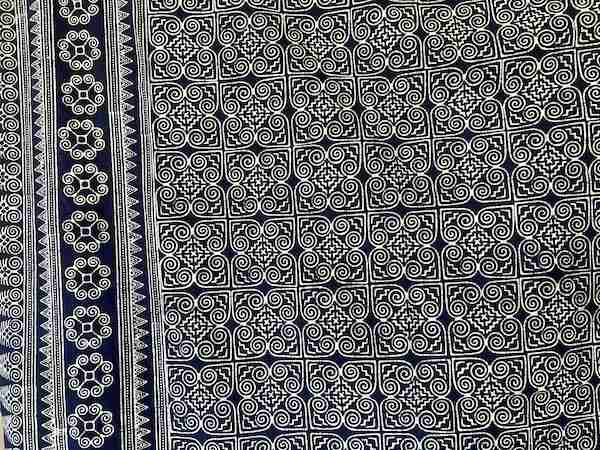
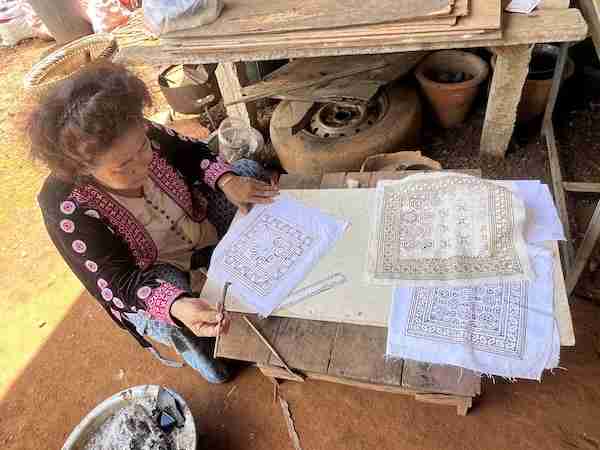
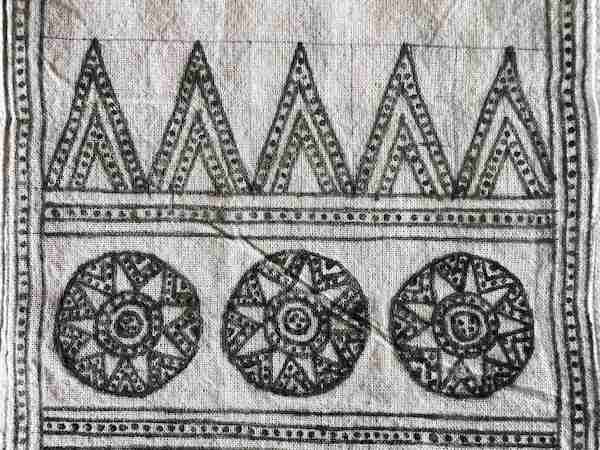
We will hike back to the village and take a rest for lunch at a wonderful viewpoint. After lunch, we will start our first workshop: the ancient craft of Hmong batik. Most people will associate batik with Indonesia but Hmong batik is very different. This is a wax-resist dyeing technique, passed down from generations of Hmong textile artisans. Hmong batik cloth is mostly used to make skirts. Hmong artisans will teach you this technique and you will learn to decorate your own batik piece of textile. Afterwards you will dye it, dipping it in indigo dye. After this, your piece of batik art has to dry so you can bring it back with you.
Fantastic Hmong traditional dress
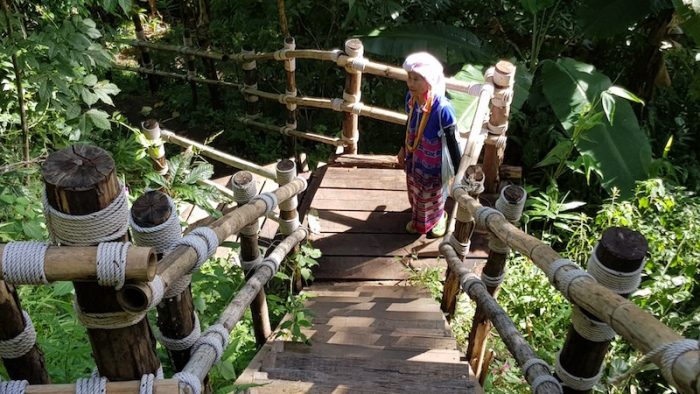
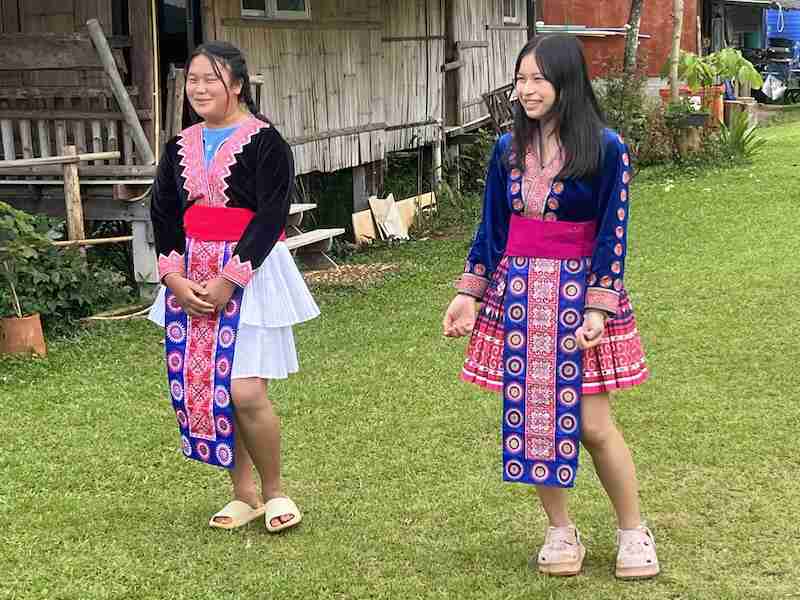
The Hmong people in Ban Mae Sa Noi are members of the subgroups White and Green Hmong, groups that are recognizable in their traditional dress. Fifty years ago most people in the village wore traditional dress. That is not the case anymore. We have arranged a man and woman of the village to show their fantastic traditional dress before we leave the village. If you want you can take pictures of these Hmong people in their colorful traditional dress and/or pose with them. At around 1600 we will say goodbye to our Hmong hosts. Return to Chiang Mai. We hope you enjoyed meeting the Hmong people and learning about Hmong textiles. This village features in several other tours such as the Opium Trail trek and the Hmong Experience.

Highlights
Meet the Hmong people and learn about their culture
Nice village walk
Hiking around the village and visit their agricultural fields
Learn about the Royal Project
Fantastic views
Hmong batik workshop
Taking photos of traditional dress
Inclusions
Included
English speaking guide
Local Hmong guide
Transportation in AC minivan
Lunch with drinking water
Hmong batik course
Photography fee for two Hmong people
Not included:
Drinks except drinking water during lunch
Personal expenses
Tips
Timeline
0800 Departure from Chiang Mai
0900 Arrival in the village, meet the guide
0930 Village walk
1000 Walk around the village
1200 Arrival at the lunch place, time for taking pictures
1230 Lunch
1330 Start learning Hmong batik
1500 End of the batik course. Time for questions and taking photos of traditional dress
1600 Return to Chiang Mai
1700 Drop off at the hotel
Related products